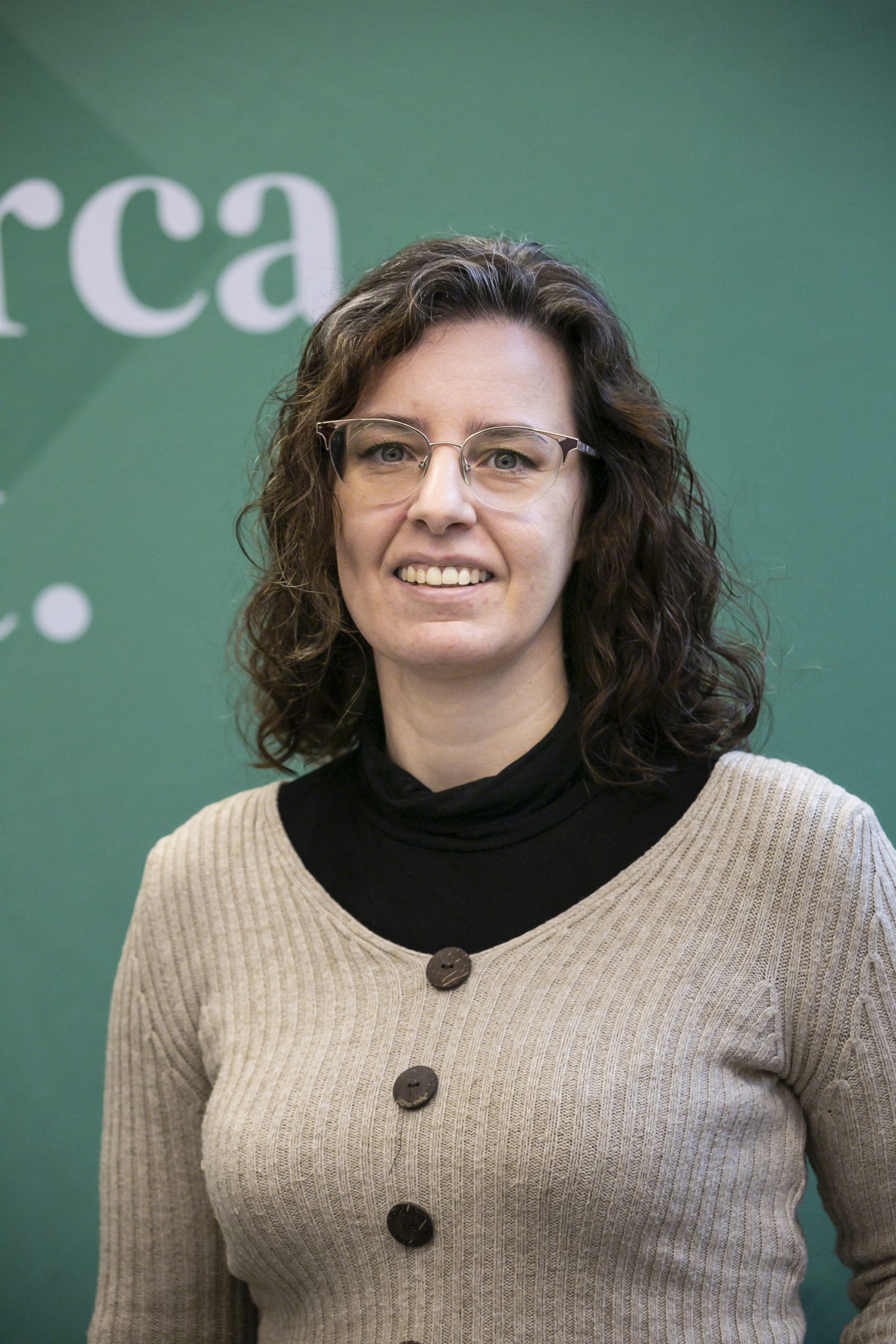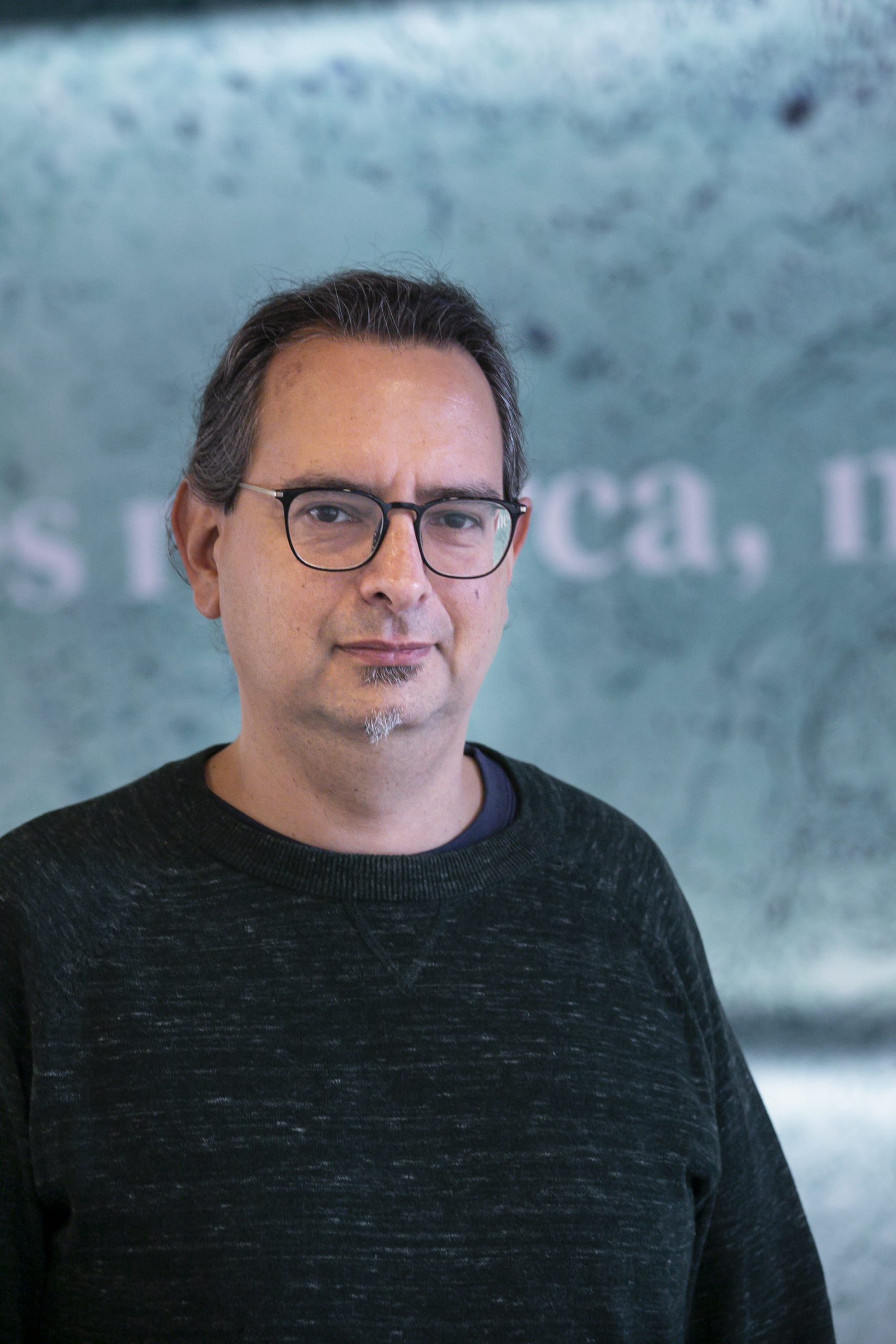
Why do two people with seemingly similar strokes recover so differently? To help answer this long-standing question in neurorehabilitation, our group leader, Dr. Israel Fernández-Cadenas, and our researcher, Dr. Cristina Gallego-Fabrega, have taken part in an international consensus. It sets out the priorities for studying molecular biomarkers in stroke recovery.
The document was published in the International Journal of Stroke. It is the work of the fourth Stroke Recovery and Rehabilitation Roundtable, which brought together 17 experts from nine countries. It calls for large, multicentre, longitudinal studies that track biological changes throughout recovery. Such studies would address the main limitations of current research: small cohorts, single-centre designs, one-off sampling and overly broad measures of functional outcome.
“Recovery after stroke does not depend only on the size or location of the lesion,” explains Dr. Fernández-Cadenas. “Inflammation, brain plasticity, vascular repair and neuronal response all play a role, and we still understand them only partially.”
The authors argue that biomarkers should do more than predict prognosis. They should also help reveal the mechanisms behind spontaneous recovery and response to therapy. This is a direction closely aligned with our group’s work in genetics and multi-omics. Key recommendations include:
- Integrating omics data (genomics, transcriptomics, proteomics, metabolomics and epigenomics) with detailed clinical assessments.
- Serial blood sampling at 3–7 days, 1 month and 3 months after stroke, or before and after an intervention.
- Function-specific assessments of movement, language and cognition alongside global disability scales.
- Harmonised protocols, national biobanking centres and an international molecular data repository.
The consensus highlights several candidate biomarkers, including neurofilament light chain, BDNF, GFAP, brain-derived tau and interleukin-6. However, none is yet validated for routine clinical use.
Crucially, the authors stress that biomarkers must never be used to restrict access to rehabilitation. “Precision neurorehabilitation is not about reducing options,” concludes Dr. Gallego-Fabrega, “but about having more tools to offer each patient the intervention that will benefit them most.”
Reference: Edwardson MA, et al. Molecular biomarkers in stroke recovery: Consensus-based core recommendations from the fourth Stroke Recovery and Rehabilitation Roundtable. Int J Stroke 2026. https://doi.org/10.1177/17474930261475960